Bring Your Trail to Life Through Touch: Sensory Trail Design
A trail isn’t just something visitors should see. The most engaging trails encourage people to touch, listen, explore and interact with the world around them.
Sensory trail design introduces another layer to the visitor experience. From textured wooden sculptures and tactile wildlife features to natural materials and hands-on activities, touch can encourage visitors to slow down, notice more and connect with their surroundings.
At Brilliant Trails, we design sensory trails and tactile features that make outdoor spaces more interactive, accessible and enjoyable for visitors of different ages and abilities.
Why Touch Matters on a Trail
Walking through a woodland, park or visitor attraction is already a sensory experience. You hear birds, feel changes underfoot, notice different smells and see the landscape changing around you.
A thoughtfully designed sensory trail builds on these natural experiences. Rather than simply asking visitors to read a sign and move on, tactile features encourage them to stop and investigate.
How does tree bark feel? Can you recognise an animal from its shape? What does a carved feather feel like compared with a pinecone or leaf?
These small moments of interaction can turn passive interpretation into active discovery.
Sensory Sculptures Encourage Exploration
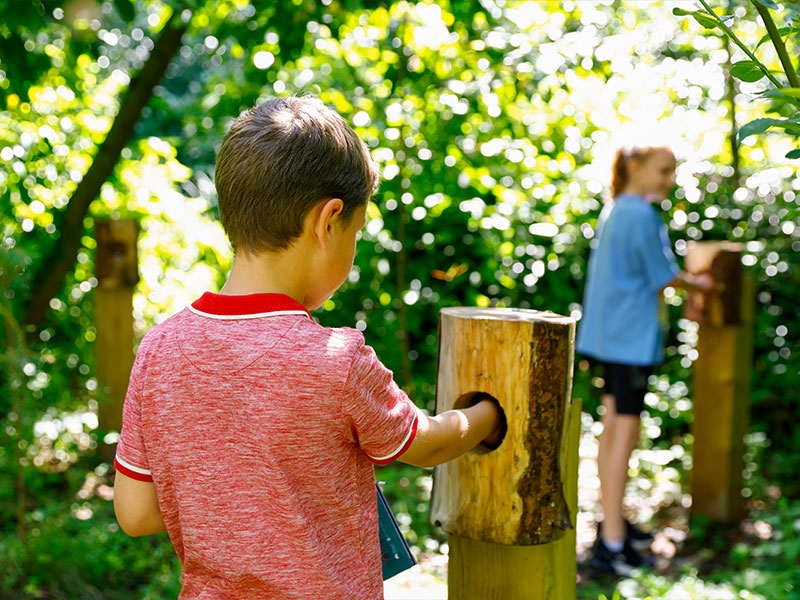
Wooden sculptures are particularly well suited to sensory trails because they can be designed to be touched as well as viewed. A chainsaw-carved owl, fox, squirrel or woodland creature can introduce different shapes, textures and details for visitors to discover with their hands.
Sculptures can also become part of a wider activity. Children might be challenged to find a series of animals hidden around a trail, identify different textures or discover tactile clues incorporated into the carvings. Instead of sculptures simply decorating a route, they become part of the experience.
Designing More Inclusive Trails
Tactile interpretation can also help make outdoor experiences accessible to a wider audience. For visitors with visual impairments, a feature they can explore through touch offers another way to understand something that might otherwise be communicated only visually.
For younger children, tactile features encourage hands-on learning and exploration. They can also support visitors who engage more readily with physical and sensory experiences than traditional written interpretation.
Inclusive trail design isn’t about adding one accessibility feature at the end of a project. It is about considering different ways people can experience a place from the beginning. That could include tactile sculptures, Braille, raised maps, accessible signage, audio interpretation, sensory planting and interactive activities.
More Than Just Sculptures
You can incorporate touch into a trail in many ways.
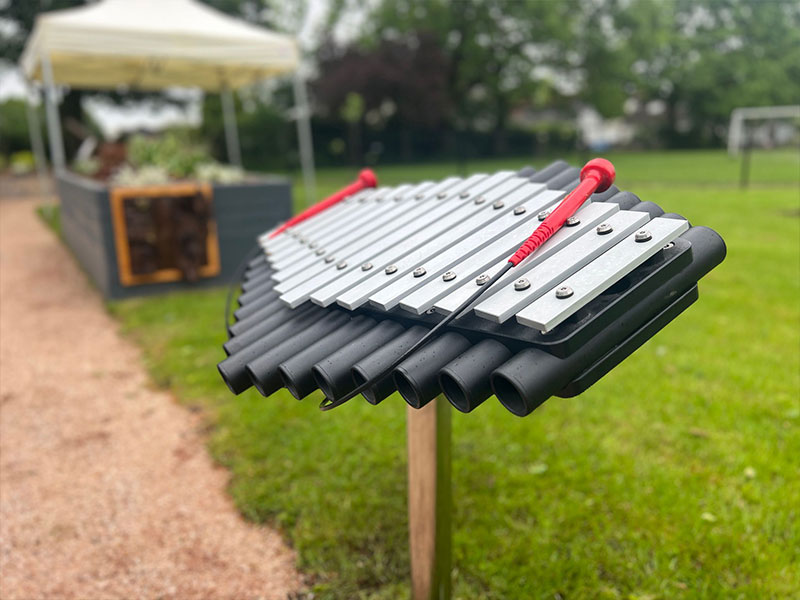
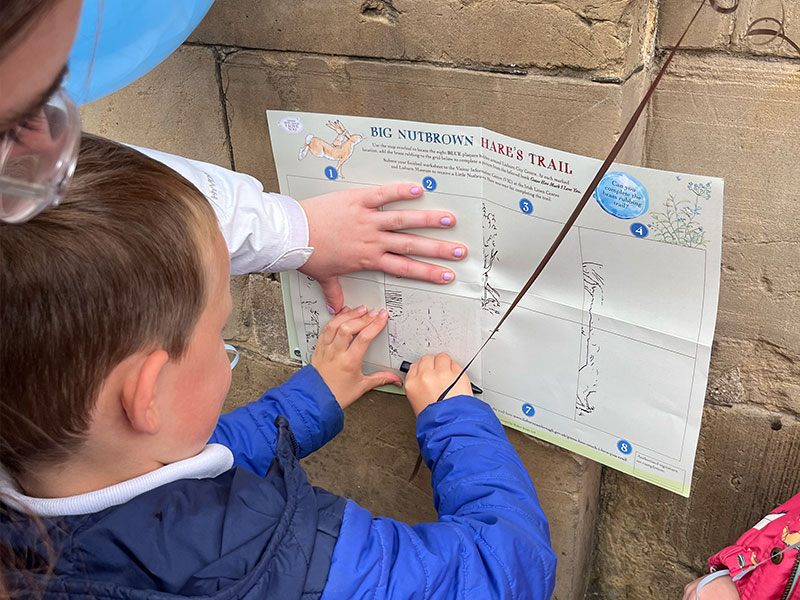
Visitors could discover textured paths beneath their feet, explore raised wildlife casts, use rubbing plaques, feel the patterns of leaves and animals carved into timber or interact with natural materials. Sensory gardens can introduce planting chosen specifically for texture and scent, while activity stations can encourage visitors to touch, build, weave, make sounds or explore.
Even interpretation panels can become tactile, with raised illustrations, maps and features designed to be explored by hand. The aim isn’t to add sensory elements for their own sake. Each feature should have a reason to be there and contribute to the story, environment or learning experience of the trail.
Sensory Trails and Outdoor Learning
Sensory trail design works particularly well in schools and outdoor learning environments.
Children learn in different ways, and taking learning beyond the classroom can give them opportunities to investigate subjects through movement, play and sensory discovery. At Brilliant Trails, our sensory projects can include tactile sculptures, textured pathways, sensory planting, activity stations, outdoor classrooms, and interactive interpretation. This creates an outdoor space where teachers can encourage children to explore nature, discuss what they can see and hear, and learn through hands-on activities.
Encouraging Visitors to Slow Down
One of the less obvious benefits of sensory trail design is that it can change the pace of a visit.
Without interactive features, visitors may walk from one point to another. Give them something interesting to touch, investigate, or complete, and suddenly they have a reason to stop. Those pauses create opportunities for conversation, learning and discovery.
For visitor attractions, parks, gardens, schools and woodland destinations, this can help transform a walking route into a much richer visitor experience.
Designing a Trail You Can Experience
The best sensory features don’t feel like additions to a trail. They belong in the landscape and encourage visitors to interact naturally with their surroundings. That could mean discovering the rough texture of a carved tree trunk, following the shape of an animal with your hands, walking across different surfaces or stopping to listen to the sounds of the woodland.
At Brilliant Trails, we can bring together trail design, interpretation, bespoke wooden sculptures, tactile features, sensory gardens and digital experiences to create trails that engage more than one sense.
Because a great trail isn’t just something you see – it’s something you experience.
Planning a sensory trail or looking for ways to make an existing trail more interactive and inclusive? Contact Brilliant Trails to discuss your project.